
Indigenous Healing for Addiction and Mental Health Recovery
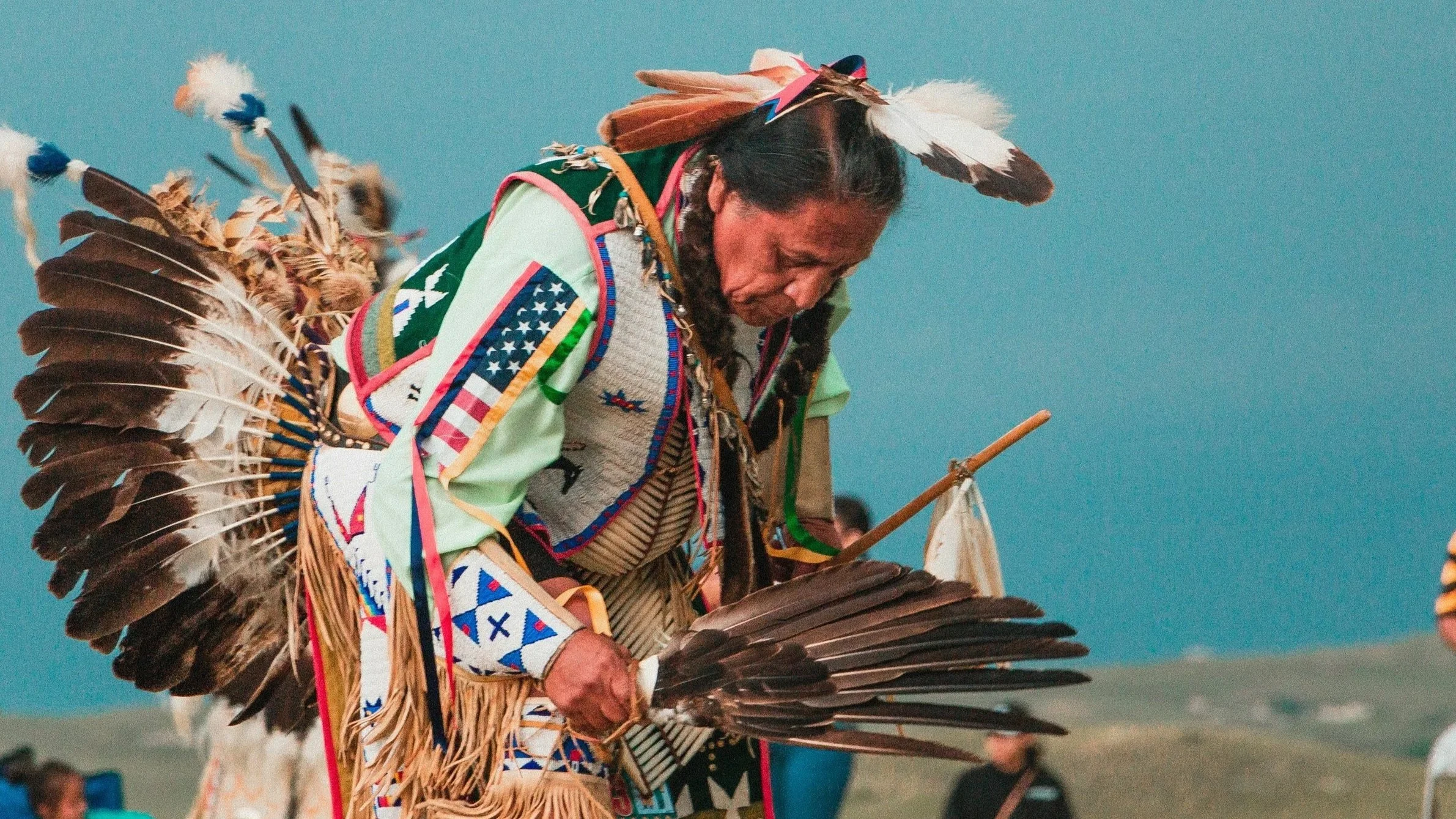
For Native Indian and Alaska Native people, cultural practices and medicines are an essential part of life. By offering a holistic approach that addresses the mind, body, spirit, and culture, relatives in our care can reclaim personal and cultural identity while healing from addiction, trauma, or mental health issues.
Our program is carefully designed to incorporate cultural teachings, granting our relatives the ability to be examples of intergenerational knowledge and wisdom. By using culturally adapted curriculum, we can be a community resource to any tribe.
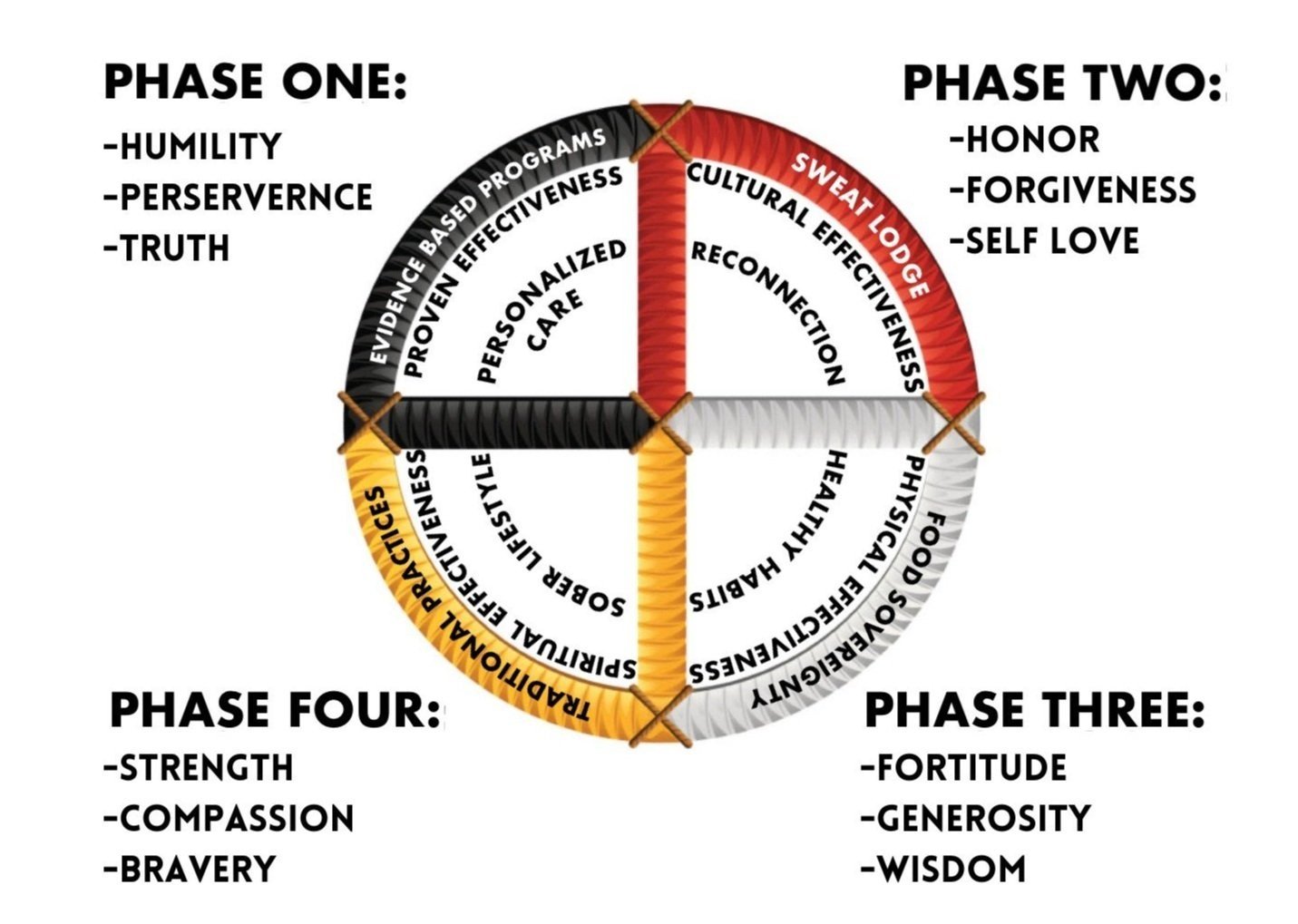
The Thundermaker Approach
-
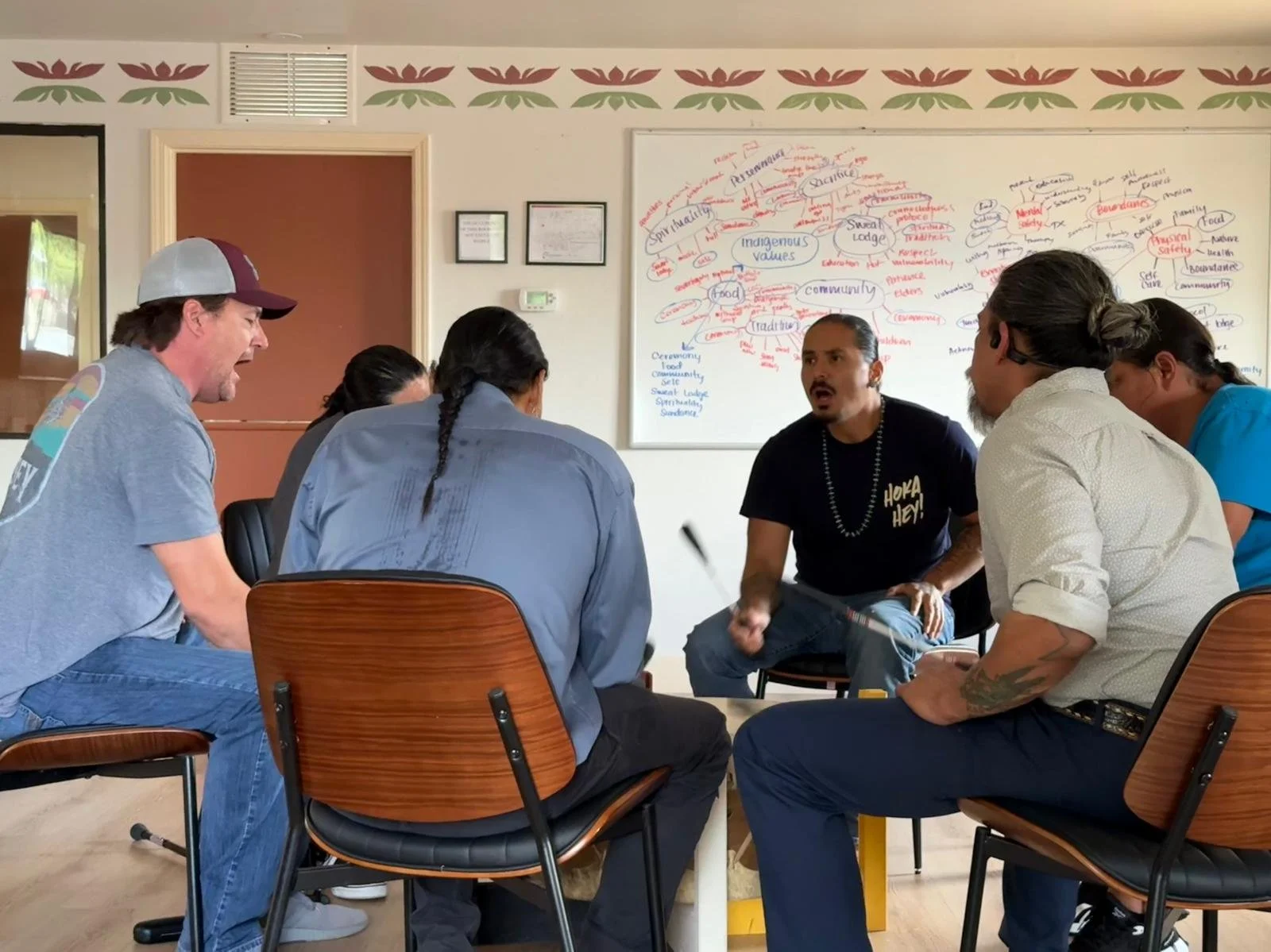
Sense of Identity and Belonging
Engaging in Indigenous cultural practices can help Native people in recovery reconnect with their heritage and identity, providing a sense of belonging and purpose.
-
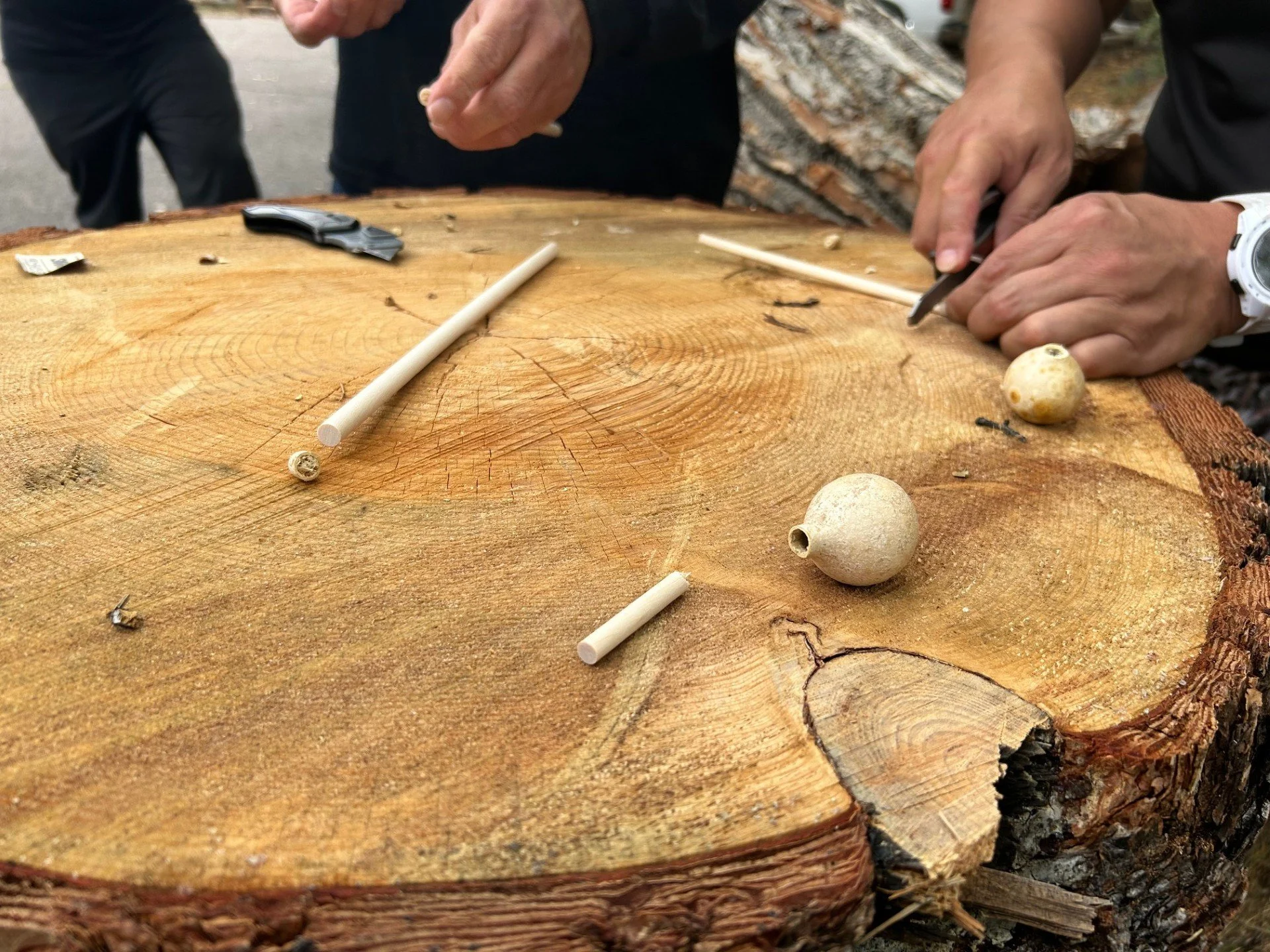
Spiritual Healing
Many traditional practices involve spiritual elements that can offer comfort, guidance, and a deeper sense of meaning, becoming foundational in their healing journey.
-
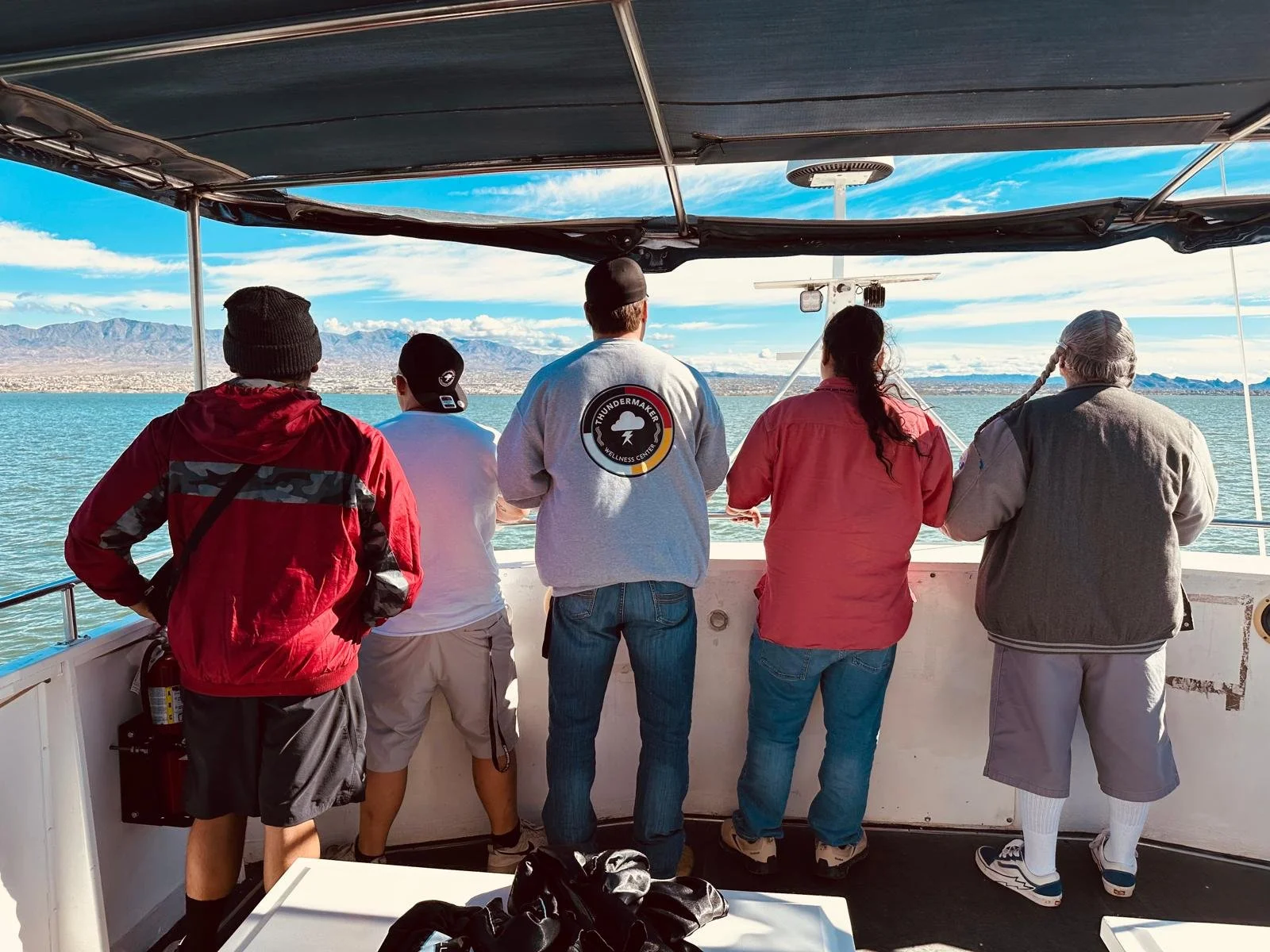
Community Support
Cultural practices often involve community participation, fostering a supportive network of relatives and like-minded people can provide encouragement and accountability.
-
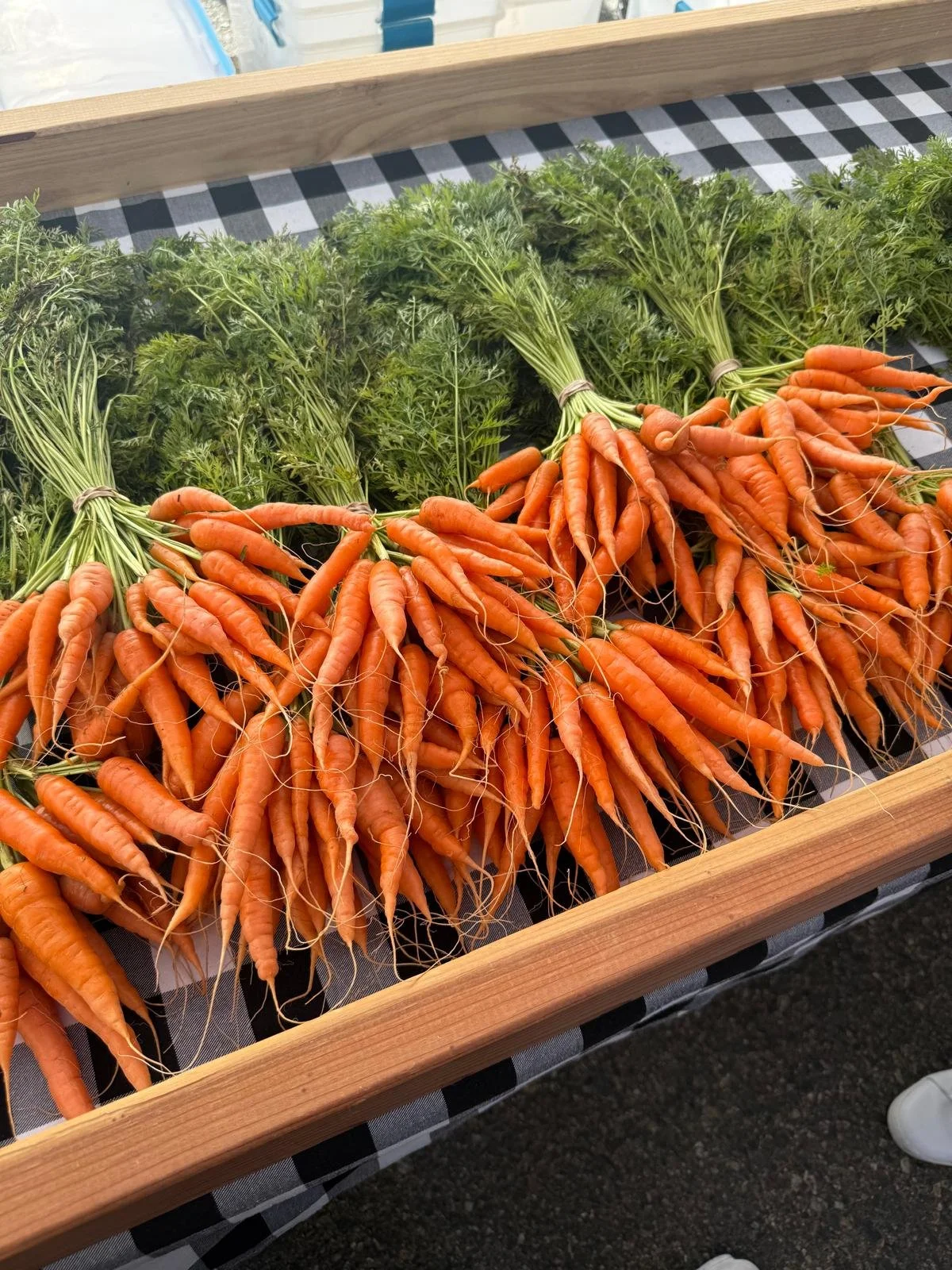
Holistic Approach
Traditional practices often address multiple aspects of well-being, including physical, emotional, and spiritual health, leading to a more comprehensive and inclusive recovery process.
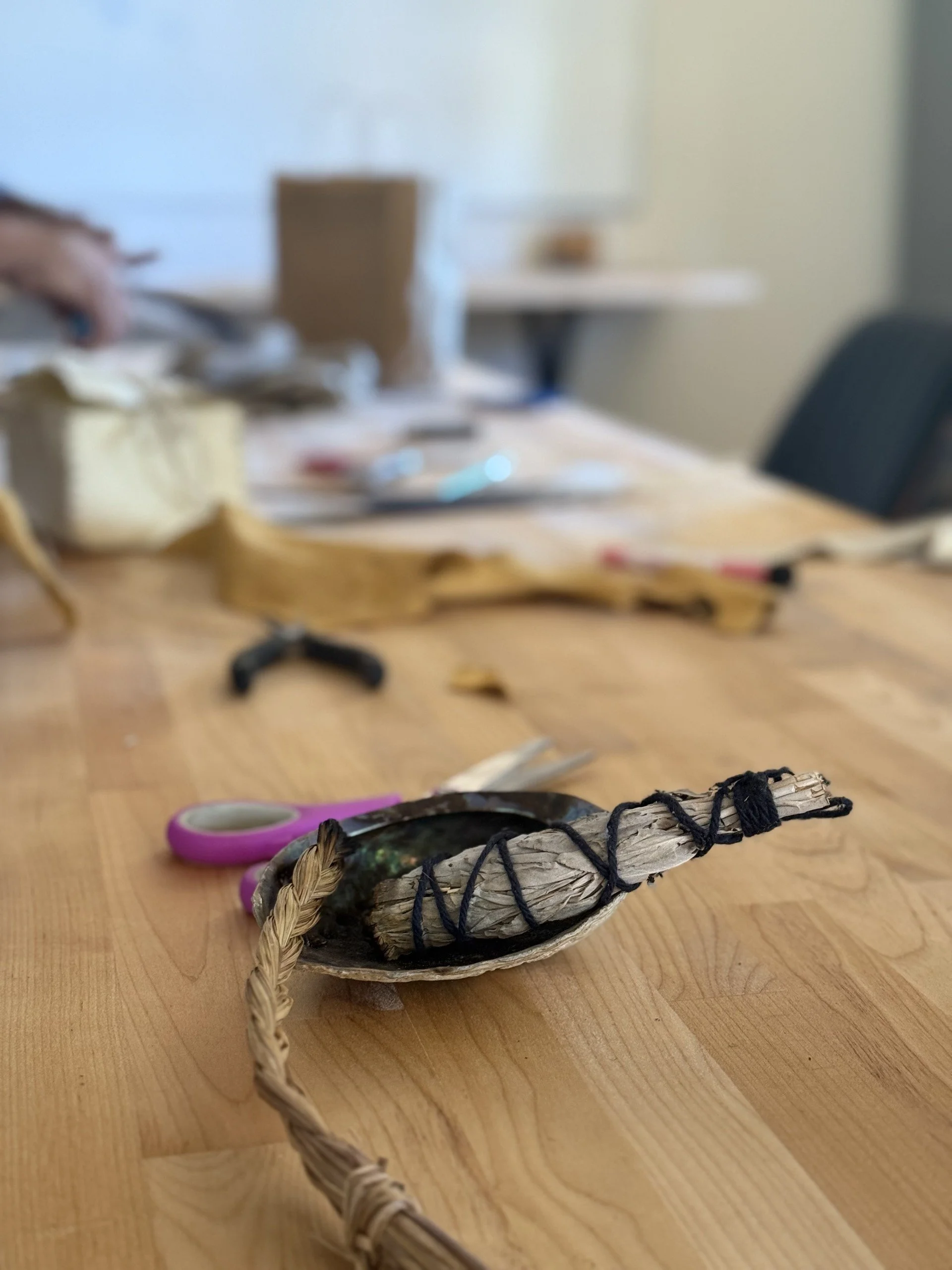
Stigma Reduction
By incorporating cultural practices into addiction and mental health recovery, we can reduce stigma by framing healing within a broader cultural and historical context.
By integrating Indigenous traditional cultural practices into addiction recovery programs, individuals can benefit from a more inclusive and effective approach to healing. Here at Thundermaker, we offer cultural programs specific to the relative in our care, ensuring their treatment plans match their preferred cultural and personal healing journey.
These practices come together in the Cultural and Traditional Program, which includes the sweat lodge and food sovereignty work on the land. They run alongside licensed addiction treatment services and counseling. IHS PRC may pay for care, and our team can answer questions. Reach out any time.